Potluck: 6 p.m. Showtime 8 p.m.
Shows are $15 in advance, $20 door
Darby Montana's Last Best House Concerts
Potluck: 6 p.m. Showtime 8 p.m.
Shows are $15 in advance, $20 door
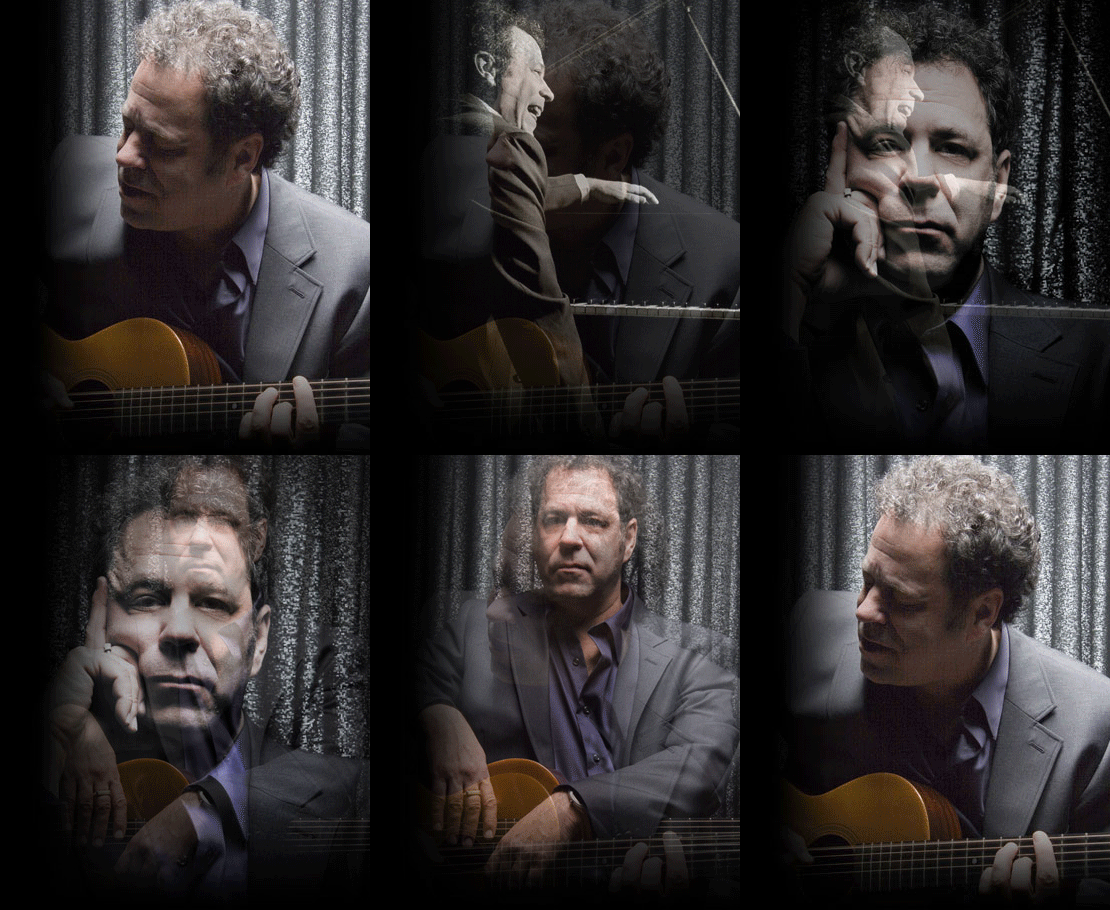
Check out Raina online, she's dynamite, and so is Anthony da Costa!
Potluck: 6 p.m. Showtime 8 p.m.
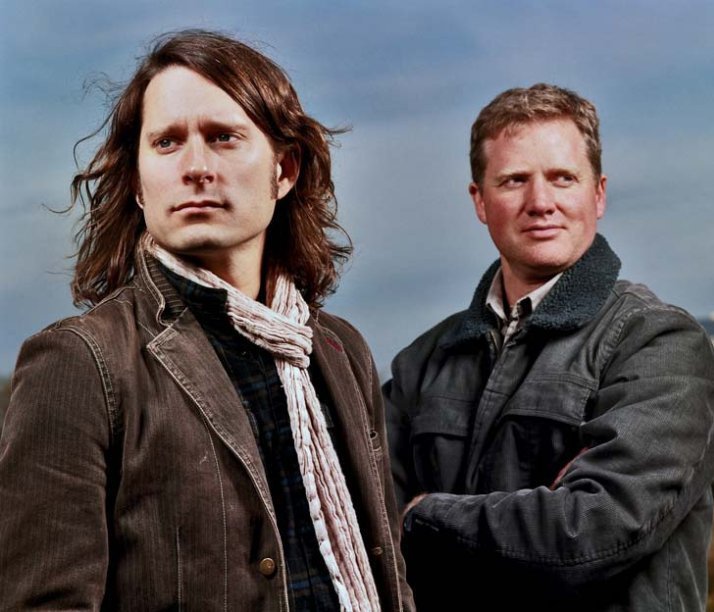
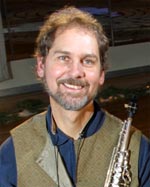
Friday August 27: Mitch Barrett, with Owen Reynolds, bassist
Potluck: 6 p.m. Showtime 8 p.m.
Shows are $15 in advance, $20 door

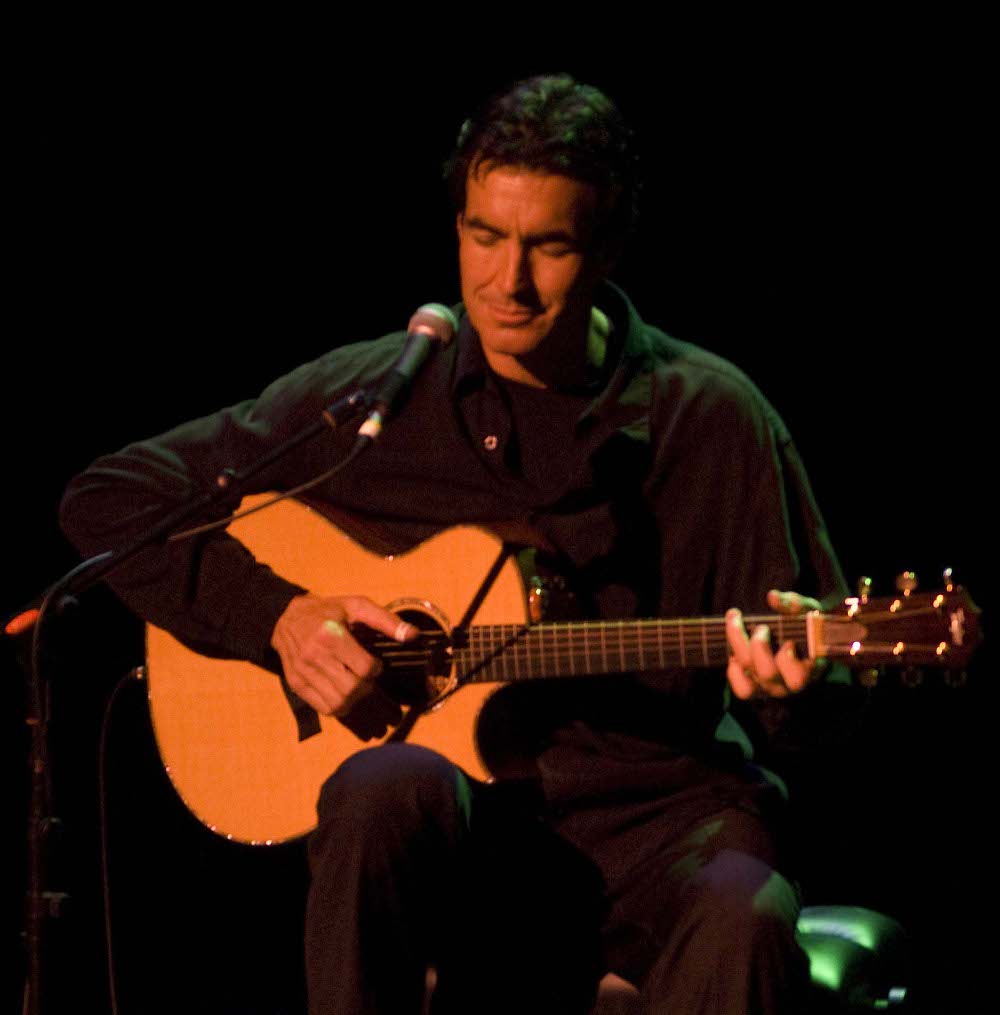
Cliff Eberhardt knew by age seven that he was going to be a singer and songwriter. Growing up in Berwyn, Pennsylvania, he and his brothers sang together and their parents played instruments. His dad introduced him to the guitar and he quickly taught himself to play. Fortunate enough to live close to the Main Point (one of the best folk clubs on the East Coast), he cut his teeth listening to the likes of James Taylor, Joni Mitchell, Bruce Springsteen, Howlin’ Wolf, Muddy Waters, Bonnie Raitt, and Mississippi John Hurt — receiving an early and impressive tutorial in acoustic music. At the same time, he was also listening to great pop songwriters like Cole Porter, the Gershwins, and Rodgers and Hart, which explain his penchant for great melodies and clever lyrical twists.
At fifteen, Cliff and his brother Geoff began touring as an acoustic duo, playing the Eastern club circuit until Cliff turned twenty-one and moved to Carbondale, Illinois. There he found space to develop his own voice within a vibrant and supportive music scene that included Shawn Colvin. After a couple of years there and a short stay in Colorado, Cliff moved to New York in 1978.
Because the clubs were great (the Bitter End, the Speakeasy, Kenny’s Castaway, Folk City) and the company amazing (John Gorka, Suzanne Vega, Lucy Kaplansky, Julie Gold, Steve Forbert, Christine Lavin, and Shawn Colvin), New York was an ideal musician’s boot camp. Though he put in long hours as a taxi driver, Cliff worked steadily on his music throughout the 80’s, doing solo gigs and studio work, and playing guitar on the road with Richie Havens, Melanie and others. Singing advertising jingles for products like Coke, Miller Beer and Chevrolet (“The Heartbeat of America” campaign) allowed him to devote more time to his songwriting.
In 1990 Cliff’s song “My Father’s Shoes,” appeared on Windham Hill’s Legacy collection, leading to a deal with the label. They released Cliff’s first album, The Long Road (1990), a work featuring a duet with Richie Havens. The critical response to this debut was outstanding (the Philadelphia Inquirer called the album a “repeatedly astounding collection”). He followed with two more records on Shanachie before releasing, 12 Songs of Good and Evil (1997) on Red House Records, which stemmed from a chance meeting with Red House founder Bob Feldman at John Gorka’s wedding. Since then, Cliff has released 4 albums on the label-Borders, School For Love,12 Songs of Good & Evil and his current one- The High Above & the Down Below, recorded in Minneapolis with noted jazz players Gordy Johnson, J. T. Bates and Rich Dworsky.
Long one of the most respected songwriters on the club scene, his peers often mine his catalog for themselves. Cliff’s song “Memphis” was included on Cry Cry Cry, an album of collaborative covers by the “folk supergroup” of the same name (comprised of Dar Williams, Lucy Kaplansky and Richard Shindell). Other performers who have recorded his songs include Richie Havens, Shawn Colvin, Russ Taff and Buffy Sainte Marie. A collection of his songs has recently been published in The Cliff Eberhardt Songbook (Cherry Lane Publishing).
Cliff is touring to promote the brand new release of 500 Miles: The Blue Rock Sessions. A deeply personal album, it follows his critically acclaimed The High Above and the Down Below, which was named the #5 album of the year in 2008 by USA Today.
For more info and music samples, visit Cliff's web site: http://www.cliffeberhardt.net

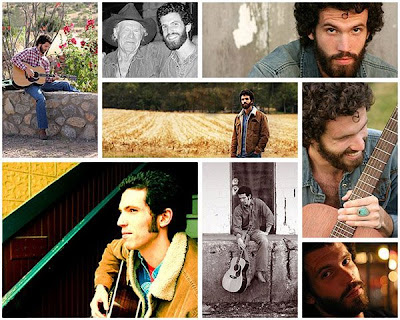
From Ben's web site:
A storyteller from the age of 3, Bedford began by dictating stories to his parents before he could hold a pen. He continued to write short stories into his early teens. He picked up the guitar at the age of 14 after watching a friend play on a camping trip. In high school Bedford explored many different genres of music, but his world exploded when he discovered his mom's Gordon Lightfoot collection and then began a foray into the world of folk and Americana that included artists such as Townes Van Zandt, Guy Clark, Richard Shindell, Tom Russell and Patty Griffin. The work of these artists resonated with Bedford and inspired him to try his hand at songwriting.
In 2000, Bedford entered the University of Illinois in Urbana with intentions of becoming a history professor. While he finished his degree, he was sidetracked by his love of music and writing. The history lectures and texts instilled in Bedford a fascination with gritty human truths and the plight of the common man/woman through the ages. Bedford has used that love of the past to imbue his characters with a sense of historical reality, yet maintain a heightened emotional and human quality.
Lincoln's Man was released to radio (U.S./Europe/Canada/Australia) January 29, 2008 on his own label, Hopeful Sky Records and reached number eight on the national Folk-DJ charts in February. The title track peaked at number three the same month. Bedford's second album, Land of the Shadows, was the number one album for January 2009 with three songs charting in the top ten, also making Bedford the number one artist.
Both albums are available for purchase at several locations on the web, including his website.
“Front porch, kitchen, back yard, drunk and sober, young and old, coast-to-coast folk music, a world in which I discovered that I don’t need power, wealth, or fame. I need friends. And that’s what I found and still find.
You folkies out there! Comrades! We’ve created together a whole small world of song, story, travel, love and food, face to face, in every corner of the land, mutually supportive and happening at a sub-industrial level, below the level of media notice. Hooray for us! Who needs the “entertainment” industry? Who needs mass media? Small is beautiful!
To hell with the mainstream. It’s polluted. What purifies the mainstream? The little tributaries up in the wilderness where the pure water flows. Better to be lost in the tributaries known to a few than mired in the mainstream, consumed with self-love and the absurdity of greed.
Please. Don’t give our world up. It needs to grow, yes — but subtly, out, through, under, quietly, like water eroding stone, subversive, alive, happy.”
U. Utah Phillips (1935 - 2008)